
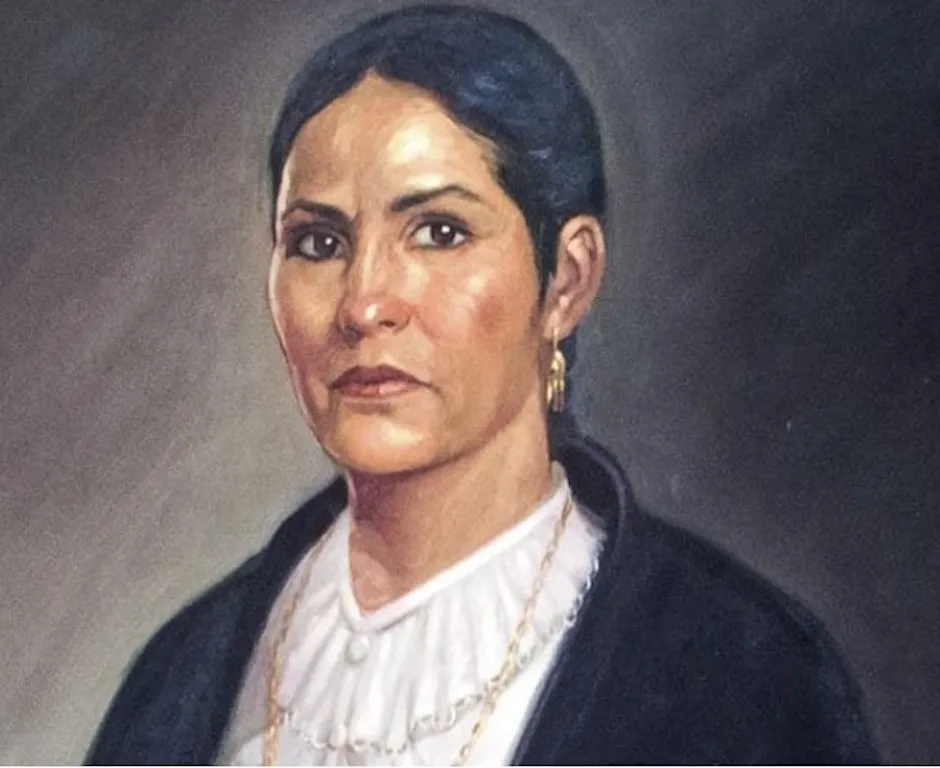

Micaela Bastidas Puyucahua is one of the most significant and under-recognized figures in the history of Latin American independence movements — a Peruvian-born mestiza woman who was a co-leader of the Túpac Amaru II rebellion of 1780-1781, one of the largest and most consequential indigenous uprisings against Spanish colonial rule in the Americas. She was not merely the wife of the rebellion’s male figurehead, José Gabriel Condorcanqui (Túpac Amaru II) — she was its most effective administrator, its most urgent strategic voice, and, in the judgment of historians who have read the rebellion’s correspondence carefully, its most clear-eyed and decisive leader during the critical weeks when the rebellion had its best chance of success.
Micaela Bastidas Biography
| Full Name | Micaela Bastidas Puyucahua |
|---|---|
| Birth Year | Approximately 1745 |
| Nationality | Peruvian (colonial South America) |
| Occupation | Revolutionary Leader, Administrator |
| Husband | José Gabriel Condorcanqui (Túpac Amaru II) |
| Known For | Co-leader of the Túpac Amaru II rebellion (1780-1781); revolutionary correspondence; Latin American independence movement |
Early Life and Background
Micaela Bastidas was born around 1745 in Pampamarca, in the Cuzco region of colonial Peru — an environment that placed her at the intersection of indigenous Andean, mestizo, and Spanish colonial cultures that defined the complex social hierarchy of 18th-century Peru. She was of mestizo heritage — meaning she had both indigenous Andean and Spanish ancestry — in a colonial society that assigned social position largely on the basis of racial categorization, where mestizos occupied an ambiguous middle ground between the Spanish colonial elite and the indigenous majority whose labor and tribute sustained the colonial economy.
She married José Gabriel Condorcanqui, who traced his lineage to the last Inca emperor and would take the name Túpac Amaru II when he led the rebellion. The couple had three sons together and ran a business transporting goods across the Andes — an occupation that gave them both a detailed knowledge of the region’s geography and an intimate understanding of the economic exploitation that the Spanish mita system — forced labor conscription in the mines — imposed on indigenous communities across the Andean highlands.
The Túpac Amaru II Rebellion
The rebellion began in November 1780, when Túpac Amaru II captured and executed a corrupt colonial official, Antonio de Arriaga, who had been particularly brutal in his enforcement of the mita system. The execution was the spark for a broader uprising that rapidly spread across a wide area of the Peruvian and Bolivian highlands, drawing support from indigenous communities and some mestizos who had long suffered under colonial exploitation.
From the rebellion’s earliest days, Micaela Bastidas was not merely a supportive spouse but an active co-commander. She managed logistics — supplies, communications, troop movements, the complex administrative challenge of coordinating an armed uprising across a vast and rugged geographic area. She recruited fighters, organized food and weapons distribution, and maintained the correspondence networks that kept the rebellion’s far-flung components coordinated. Her administrative capacity was, by many accounts, the operational backbone of an uprising that lacked the formal military infrastructure of the colonial army it was fighting.
The Letters That Reveal Her Leadership
The most compelling evidence of Bastidas’s leadership — and of her strategic superiority to her husband at critical moments — comes from the letters she wrote to Túpac Amaru II during the rebellion. These letters, which have been preserved and studied by historians, reveal a military and political mind of unusual clarity and urgency. She urged him repeatedly and with increasing frustration to advance on Cuzco — the symbolic and administrative heart of Spanish colonial power in Peru — at the moment when the rebellion was at its peak and the colonial defenses were most vulnerable.
Her letters from this period are remarkable documents — written with evident intelligence, emotional power, and strategic vision. She wrote to her husband with a directness that bordered on anger: she told him that his delay was costing the rebellion its best chance of success, that the time to strike was now, and that his hesitation would ultimately doom the cause. She was right. The failure to advance on Cuzco when the rebellion had momentum and the colonial forces were disorganized proved fatal. The colonial administration recovered, reinforced, and eventually crushed the rebellion in 1781.
Execution and Legacy
Micaela Bastidas was captured by colonial authorities in April 1781 and executed in the Plaza de Armas in Cuzco on May 18, 1781 — the same day as her husband and several other rebel leaders. The executions were deliberately brutal — designed to terrorize any future resistance — and the manner of her death reflected the particular colonial fury at a woman who had exercised military and political leadership in direct challenge to both Spanish colonial authority and the gender norms that were supposed to confine women to domestic roles. She died with evident courage, reportedly speaking defiantly even at the moment of execution.
Her legacy has grown substantially in the years since her execution, as historians of Latin American independence movements have given increasing attention to the women who participated in and led these movements. Peru officially recognized her as a national heroine, and her image appears on Peruvian currency and in various national commemorations. She is now widely recognized in Latin American historical scholarship as one of the most important leaders of the Túpac Amaru II rebellion — arguably its most strategically capable figure — and as a precursor of the independence movements that would transform South America three decades after her death.
Conclusion
Micaela Bastidas Puyucahua fought and died for the liberation of indigenous and mestizo people from colonial exploitation at a time when the social structures she was challenging assigned her no authority, no political voice, and no legitimate public role. She exercised all three anyway — with intelligence, courage, and a strategic clarity that the historical record preserves in her own words. Her letters are among the most remarkable documents in the history of Latin American resistance to colonialism, and they make clear that whatever name history attaches to the rebellion she helped lead, its most decisive intelligence was hers.
Frequently Asked Questions
Who was Micaela Bastidas?
A co-leader of the Túpac Amaru II rebellion of 1780-1781 in Peru — one of the largest indigenous uprisings against Spanish colonial rule in Latin American history — and the wife of the rebellion’s male figurehead.
What was the Túpac Amaru II rebellion?
A major indigenous uprising against Spanish colonial rule in Peru and Bolivia, beginning in 1780, that challenged the brutal mita system of forced labor and broader colonial exploitation.
What role did Micaela Bastidas play in the rebellion?
She served as administrator, logistics coordinator, recruiter, and strategic advisor — and her letters to her husband urging advance on Cuzco demonstrate military insight that historians argue surpassed his own at critical moments.
What happened to Micaela Bastidas?
She was captured and executed by colonial authorities in Cuzco on May 18, 1781, the same day as her husband and other rebel leaders.
Is Micaela Bastidas recognized as a national hero?
Yes — Peru officially recognizes her as a national heroine, and her image appears on Peruvian currency.
Editorial Notice
The biography above is compiled from publicly available sources and is intended for general informational purposes only. At PeopleCabal, we are committed to accuracy — however, public records evolve, and some details may change over time. If you notice anything that requires a correction or update, we welcome you to reach out to us directly.
