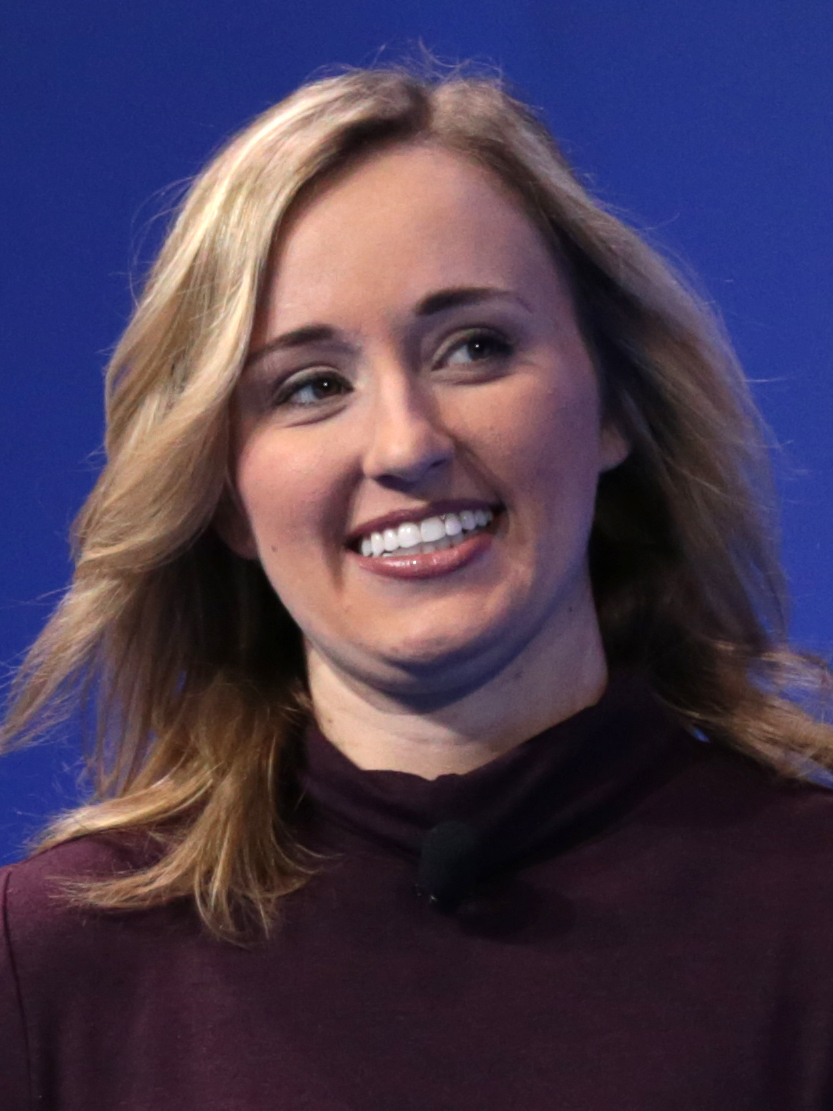

Emily Jashinsky is an American conservative political commentator, journalist, and media critic whose career has taken her from campus journalism and think tank work to prominent positions in conservative media — including Culture Editor at The Federalist and a regular presence on national television as a commentator on politics, culture, and the state of the American media itself. What distinguishes her within the conservative media landscape is not simply her analytical ability and communication skill but her willingness to be critical of both the left and the right, to challenge performative conservatism as well as progressive overreach, and to bring genuine intellectual curiosity to her coverage of media and culture rather than treating commentary as mere political cheerleading. She is part of a younger generation of conservative thinkers who have grown up watching the media establishment’s failures and who apply that critical perspective to all sides of the political spectrum.
Emily Jashinsky Biography
| Full Name | Emily Jashinsky |
|---|---|
| Nationality | American |
| Occupation | Political Commentator, Journalist, Culture Editor |
| Education | Marquette University |
| Known For | Culture Editor at The Federalist; Rising co-host; media criticism; conservative commentary |
Early Life and Journalism Formation
Emily Jashinsky developed her interest in political commentary and journalism as a student at Marquette University in Milwaukee, Wisconsin — a Jesuit Catholic institution with a strong journalism program and a campus political culture that gave her early opportunities to develop and test her views in the specific intellectual environment of a Catholic university with diverse student perspectives. Her campus journalism work provided the foundational experience that would support her entry into professional political commentary at a young age — learning to write on deadline, developing a distinctive voice, and navigating the political tensions that campus journalism inevitably produces.
After graduating from Marquette, she moved into the world of Washington, D.C. conservative think tanks and media organizations — the ecosystem of organizations that combines policy research, media production, and political advocacy that defines much of Washington’s conservative intellectual infrastructure. This environment gave her access to serious policy debates, to the networks of conservative thinkers and commentators that shape right-of-center public discourse, and to the media opportunities that Washington’s concentration of political and journalistic activity produces.
Her work at various conservative outlets developed her voice as a media critic and political commentator — someone who takes the craft of journalism seriously as a subject of analysis rather than merely practicing it. Media criticism — the examination of how journalism is produced, what assumptions shape it, what stories it tells and what stories it ignores — is one of the more intellectually demanding and socially important forms of political commentary, and Jashinsky has brought genuine rigor and genuine independence to her work in this space.
The Federalist and Conservative Media
Jashinsky’s role as Culture Editor at The Federalist placed her at one of the more influential outlets in conservative digital media — a publication that has positioned itself as intellectually serious and willing to challenge both progressive pieties and conservative conformity. Her culture coverage at The Federalist addressed the intersection of politics, entertainment, media, and social change that contemporary “culture war” debates encompass — examining how cultural products and institutions shape political consciousness, how the mainstream entertainment and media industries reflect and reinforce particular ideological frameworks, and what conservative engagement with culture should look like beyond mere opposition to progressive cultural production.
Her media criticism work has been particularly notable — she has written and spoken extensively about the failures of mainstream journalism, the specific biases that shape media coverage of political and cultural issues, and the ways in which the media industry’s structural incentives and demographic homogeneity affect the stories that get told and how they get told. This media criticism is not simply the partisan attack on mainstream media that has become a staple of right-wing political rhetoric — it engages with specific examples, specific methodological failures, and specific structural problems with rigor that earns it credibility beyond audiences who simply want confirmation of their pre-existing media skepticism.
Rising and Cross-Partisan Commentary
One of the more interesting dimensions of Jashinsky’s career has been her co-hosting of “Rising” — a political commentary program associated with The Hill that has sought to provide commentary from across the political spectrum rather than from a single partisan perspective. Working alongside hosts from the left in a format designed to surface disagreements and agreements that cut across conventional partisan lines gave Jashinsky experience engaging seriously with perspectives genuinely different from her own — a discipline that the partisan media environment typically discourages but that genuine political commentary requires.
This cross-partisan engagement is consistent with the intellectual honesty that characterizes her approach to commentary generally — she is as willing to criticize Republicans and conservatives who she believes are acting in bad faith or producing bad policy as she is to criticize Democrats and progressives. This evenhandedness is not ideological centrism — she has clear and consistent conservative convictions — but intellectual integrity, the recognition that honest commentary requires applying the same standards of criticism to one’s own side that one applies to the other.
Television and Media Presence
Jashinsky appears regularly on television — both on Fox News and on various other cable news platforms — as a political commentator who can speak to conservative perspectives on political and cultural issues with analytical depth rather than mere partisan talking points. Her television presence has grown as her reputation for substantive commentary has developed, and she has become one of the younger conservative commentators whose voices are sought on a wide range of political and cultural topics.
Her social media presence — particularly on Twitter/X, where political commentary has found one of its most active venues — extends her reach beyond television and publication to the digital communities where political argument and media criticism are increasingly conducted. She engages substantively with arguments and counterarguments in the platform’s characteristic compressed format while maintaining the analytical standards that distinguish her work from the more reactive commentary that social media tends to reward.
Personal Life
Jashinsky keeps her personal life largely private, consistent with a professional identity built primarily around her journalistic and commentary work rather than personal celebrity. She is based in the Washington, D.C. area and is known primarily through her professional work.
Net Worth
Her net worth is not publicly confirmed. A career in conservative media commentary and journalism at her level of visibility suggests solid professional success, though media commentary careers rarely produce the financial scale of careers in finance or law. She has not publicly disclosed personal financial details.
Conclusion
Emily Jashinsky represents a younger generation of conservative commentators who have grown up in the era of media fragmentation, institutional distrust, and the collapse of the consensus assumptions that once gave political commentary its shared reference points. Her willingness to apply genuine critical standards across partisan lines, her serious engagement with media criticism as a discipline, and her intellectual independence within the conservative media world she inhabits make her one of the more interesting and more trustworthy voices in a media landscape where partisan performance is the default and genuine analysis is the exception.
Frequently Asked Questions
What outlet is Emily Jashinsky Culture Editor at?
The Federalist, one of the more influential conservative digital media publications in the United States.
What program did Emily Jashinsky co-host?
“Rising” — a cross-partisan political commentary program associated with The Hill, featuring hosts from across the political spectrum.
Where did Emily Jashinsky study?
Marquette University in Milwaukee, Wisconsin, where she developed her journalism and commentary skills through campus media work.
What makes Emily Jashinsky distinctive in conservative media?
Her willingness to critique conservatives and Republicans with the same analytical standards she applies to progressives and Democrats — intellectual independence within a media environment that typically rewards partisan conformity.
What is Emily Jashinsky’s focus in media criticism?
The structural incentives, demographic homogeneity, and specific methodological failures that shape mainstream journalism — engaged with rigorously rather than as simple partisan attack.
Editorial Notice
The biography above is compiled from publicly available sources and is intended for general informational purposes only. At PeopleCabal, we are committed to accuracy — however, public records evolve, and some details may change over time. If you notice anything that requires a correction or update, we welcome you to reach out to us directly.
