
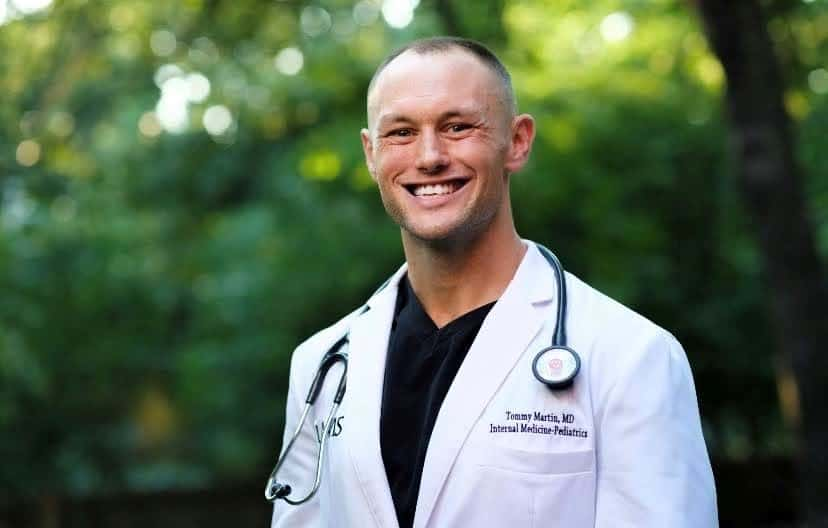

Dr. Tommy Martin is an American pastor, author, and community leader whose ministry has been defined by a willingness to serve populations that more comfortable ministry contexts avoid — the incarcerated, the addicted, the homeless, and the economically marginalized communities whose needs are among the most urgent and whose access to quality pastoral ministry is among the most limited. He has built a ministry that combines the theological seriousness of expository preaching with the social engagement of genuine community service, holding together convictions about the gospel’s personal and social dimensions that some ministry traditions keep artificially separate. His work in and around correctional facilities, recovery communities, and underserved urban neighborhoods represents a particular expression of Christian ministry that the tradition of prophetic Black preaching has always affirmed but that not every pastor lives out with the consistency and sacrifice that Dr. Martin has demonstrated.
Dr. Tommy Martin Biography
| Full Name | Dr. Tommy Martin |
|---|---|
| Nationality | American |
| Occupation | Pastor, Author, Community Leader, Speaker |
| Known For | Prison and recovery ministry; community development work; expository preaching; servant leadership model |
Background and Calling to Ministry
Tommy Martin came to pastoral ministry with a calling shaped both by personal encounter with the grace he would spend his life preaching and by direct exposure to the specific communities he would serve. His ministry is not the result of comfortable institutional appointment to a thriving suburban congregation — it reflects a sense of calling toward the margins of society and toward the people that Jesus specifically described himself as coming to serve in the Gospel of Luke’s account of his mission statement: to proclaim good news to the poor, release to the captives, sight to the blind, and freedom for the oppressed.
This orientation toward marginalized communities is theologically grounded in his understanding of the gospel’s own priorities — he reads the biblical narrative as consistently directing attention toward those whom economic, social, and political systems have failed or excluded, and he understands his pastoral calling as an expression of the same priority. This theological conviction is not a political position for Martin but a reading of Scripture that he holds with the same conviction as any other element of his doctrinal commitments, and it gives his community engagement an authenticity that purely political or ideological social engagement lacks.
His doctoral formation gave him the academic theological grounding that his preaching reflects — the ability to engage with biblical texts seriously and to communicate their meaning with the clarity and authority that genuine scholarly engagement produces. He holds his preaching to a high standard of textual faithfulness and hermeneutical care, and this standard communicates to congregations that the message he delivers is not his own opinion but his best understanding of what the biblical text actually says and means.
Prison and Recovery Ministry
A distinctive dimension of Martin’s ministry is his sustained engagement with correctional facilities — visiting inmates, conducting Bible studies and worship services, and providing pastoral care to men and women whose incarceration has isolated them from the family, community, and institutional support that most people take for granted. Prison ministry in the American context requires specific qualities that general pastoral ministry does not always develop: the ability to maintain pastoral relationships across the barriers that correctional facilities erect, the emotional resilience to engage regularly with people in the specific circumstances of incarceration without being overwhelmed by the weight of what those circumstances involve, and the pastoral wisdom to serve effectively in an environment that is simultaneously a ministry opportunity and a profoundly difficult human context.
His recovery ministry — working with people in various stages of addiction and recovery — brings together the pastoral, psychological, and community dimensions of addiction recovery in ways that recognize both the spiritual and the practical dimensions of what recovery requires. Effective addiction ministry in Christian contexts combines the gospel’s message of identity transformation with the practical support structures that recovery requires — community, accountability, practical assistance, and the sustained pastoral care that the long process of recovery demands from those who provide it.
Community Development and Service
Martin’s ministry extends beyond the church building and beyond individual pastoral care into the community development work that his vision of holistic ministry encompasses. He has been involved in programs addressing food insecurity, housing instability, employment support, and other practical needs facing the communities his ministry serves — reflecting the conviction that the gospel’s implications for human life extend to the material conditions of people’s existence and not only to their spiritual and eternal standing.
This holistic approach to ministry — refusing the false choice between evangelism and social ministry, between gospel proclamation and gospel demonstration through service — is one of the defining characteristics of his ministry philosophy and one of the most consistent themes in his preaching and writing. He argues that the division between word and deed in Christian ministry is a distortion of the integrated vision of shalom that both the Hebrew prophets and the New Testament present as the goal of God’s redemptive work in the world.
Preaching and Teaching
Martin’s preaching reputation has developed through the consistent quality of his biblical exposition — his ability to move from careful engagement with the biblical text through accurate historical and literary context to powerful contemporary application that connects the ancient world of Scripture to the specific situations of his listeners. His congregations, which include people from very different backgrounds and life situations, respond to preaching that takes the text seriously without making it academically inaccessible and that applies the gospel to the full range of human experience without reducing it to comfortable or convenient dimensions.
He speaks at conferences and events beyond his own congregation — bringing the specific combination of theological seriousness, community engagement, and prophetic urgency that his preaching embodies to audiences across the African American church world and beyond. His platform in these broader ministry circles reflects the recognition of his peers that his ministry model — combining doctrinal faithfulness with social engagement — represents a vision of pastoral ministry that the church in America needs more of.
Personal Life
Martin is married and family is central to his personal identity and his ministry vision — he teaches and models the kind of family life that he believes the gospel produces and that his communities need more examples of. His personal integrity — the consistency between what he preaches and how he lives — is among the most important foundations of his ministry authority.
Conclusion
Dr. Tommy Martin’s ministry represents what happens when genuine theological conviction and genuine compassion for marginalized people come together in a single pastoral life. His willingness to serve where ministry is most needed rather than most comfortable, his theological seriousness about the gospel he proclaims, and his sustained presence in communities that too many ministers choose to avoid from a distance has built a ministry that serves real people with real needs and that models for other ministers a vision of pastoral calling that takes the full implications of the gospel seriously.
Frequently Asked Questions
What types of communities does Dr. Tommy Martin serve?
The incarcerated, those in addiction recovery, the homeless, and economically marginalized urban communities — populations whose access to quality pastoral care is among the most limited.
What is distinctive about Dr. Martin’s approach to ministry?
The integration of rigorous biblical preaching with genuine community service — refusing to separate evangelism from social ministry and holding together the gospel’s personal and social dimensions.
What is Dr. Martin’s theological approach to social engagement?
He grounds his community service in his reading of the biblical narrative, understanding the gospel’s priorities as consistently directed toward those excluded or failed by economic, social, and political systems.
What specific programs is Dr. Martin involved in?
Prison Bible studies and pastoral care, addiction recovery ministry, food insecurity programs, housing support, and employment assistance — reflecting a holistic vision of ministry that addresses material as well as spiritual needs.
How does Dr. Martin describe the relationship between preaching and service?
He argues that the division between word and deed in Christian ministry is a distortion of the biblical vision of shalom — that authentic gospel proclamation inevitably produces gospel demonstration through service.
Editorial Notice
The biography above is compiled from publicly available sources and is intended for general informational purposes only. At PeopleCabal, we are committed to accuracy — however, public records evolve, and some details may change over time. If you notice anything that requires a correction or update, we welcome you to reach out to us directly.
