
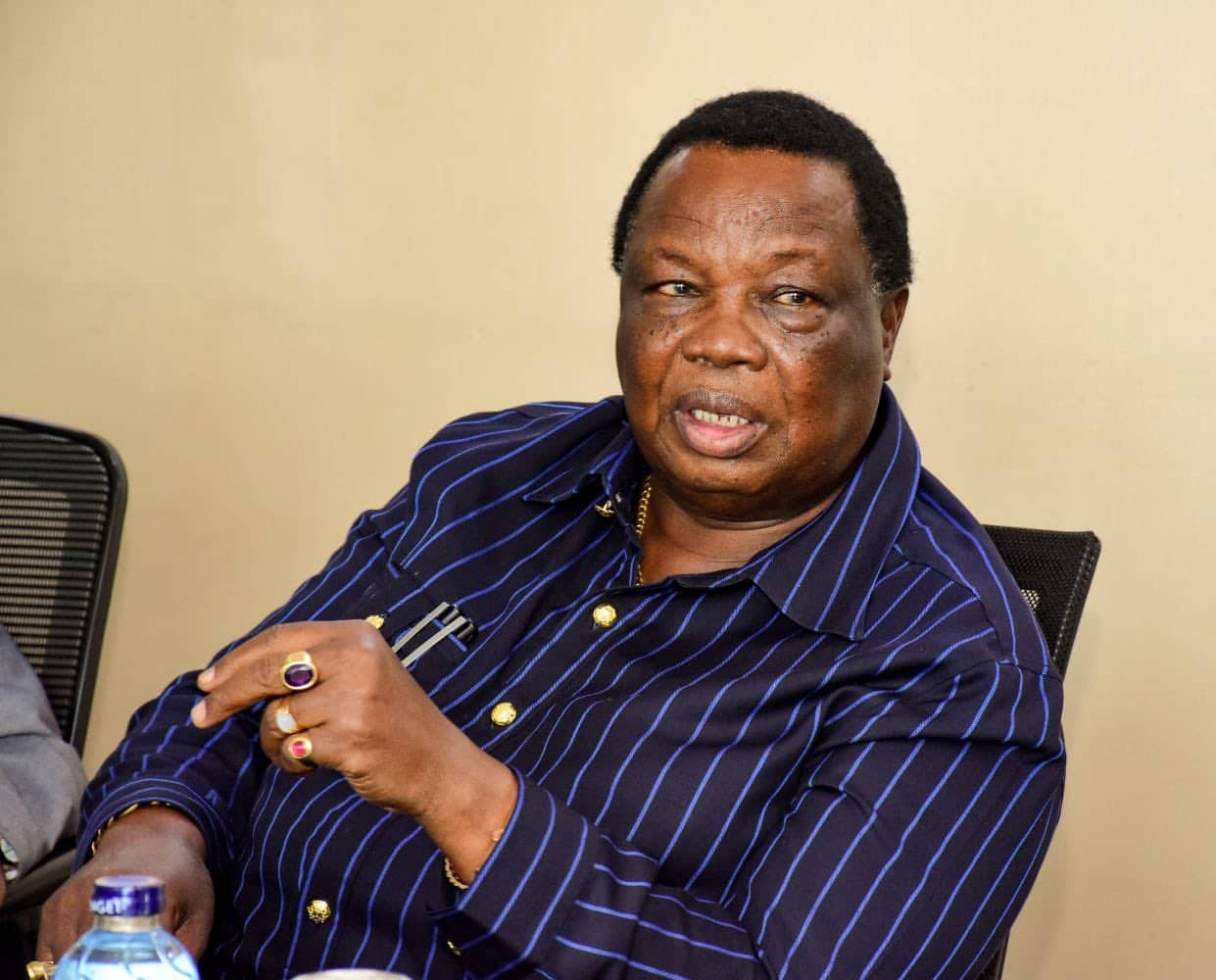

In a country where workers have historically struggled to have their voices heard in boardrooms and parliament alike, Francis Atwoli stands as a rare exception — a man who turned a union card into a platform for national influence. As the long-serving Secretary General of the Central Organisation of Trade Unions Kenya (COTU-K), Atwoli has spent decades fighting for the rights of ordinary Kenyan workers, many of whom earn wages that barely cover their daily needs. He is not just a trade unionist; he is a political voice, a public personality, and one of Kenya’s most recognizable figures — loved, criticized, but rarely ignored.
| Francis Atwoli | |
|---|---|
|
|
|
| Wiki Facts & About Data | |
| Full Name: | Francis Atwoli |
| Date of Birth: | 6 June 1949 |
| Age: | 76 years old (2025) |
| Nationality: | Kenyan |
| Occupation: | Trade Unionist, Labour Leader |
| Religion: | Christian |
| Tribe: | Luhya |
| Education: | Trade Unionism & Labour Studies |
Early Life and Background
Francis Atwoli was born on June 6, 1949, in the western region of Kenya, in what is known today as the heartland of the Luhya community — one of Kenya’s largest ethnic groups. Growing up in post-colonial Kenya, Atwoli came of age during a period of significant social and economic transition. The country had just gained independence, and questions around workers’ rights, wages, and economic inclusion were far from settled.
His background was not one of privilege. Like many young men of his generation in western Kenya, Atwoli understood early what it meant to work hard and be undervalued. That lived experience — of being an ordinary worker navigating a system that wasn’t designed for people like him — would later become the fuel behind his decades-long advocacy.
The Luhya community is known for its strong communal ties, a culture of resilience, and a history of producing leaders who punch above their weight on the national stage. Atwoli would prove to be one of them.
Education
While Atwoli’s formal academic record is not as publicly detailed as his professional one, his career trajectory tells the story of a man who invested deeply in practical learning. He pursued training and education relevant to trade unionism and labour law — fields that equipped him with the tools to negotiate, legislate, and advocate at the highest levels.
He has participated in numerous international labour conventions and training programs, including engagements with the International Labour Organization (ILO) and the International Trade Union Confederation (ITUC). For Atwoli, education was never just about degrees — it was about understanding systems well enough to change them.
Career Journey
The Beginning: A Technician Who Listened
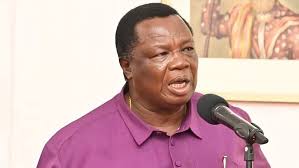
Atwoli’s career started not in a boardroom, but in the field. From 1967 to 1986, he served as a Senior Technician at the Kenya Posts and Telecommunications Corporation (KPTC). It was during these years that he first became involved in union work, serving simultaneously as Branch Secretary of the Union of Posts and Telecommunication Employees from 1971 to 1986. These twin roles gave him something invaluable: he understood both the technical side of work and the political side of labour relations.
Rising Through the Ranks
In 1986, Atwoli made a defining career shift. He left his technical role to become the Director of Organizing at COTU-K — a position that put him at the centre of Kenya’s trade union movement at a time when it desperately needed leadership. He spent eight years in this role, developing strategies to grow union membership and build worker solidarity across industries.
By 1994, he had added another significant role to his portfolio — General Secretary of the Kenya Plantation and Agricultural Workers’ Union (KPAWU), a position he continues to hold. Plantation and agricultural workers represent some of Kenya’s most vulnerable labour force, and his stewardship of their union gave him credibility that stretched well beyond urban centres.
The COTU-K Leadership
The biggest turning point came in August 2001, when Atwoli was first elected Secretary General of COTU-K. It was a mandate he took seriously. Under his leadership, COTU-K’s membership grew from roughly 300,000 members to over 4 million — a remarkable feat that reflects both his organizational skill and his understanding of what workers actually need from their unions.
One of Atwoli’s most enduring achievements is the role he played in mainstreaming labour rights into Kenya’s 2010 Constitution. Getting workers’ rights enshrined in a national constitution is not a small thing — it means those rights are no longer subject to the goodwill of whichever government is in power. It was a legislative win that will outlast Atwoli himself.
He has also been a vocal advocate for a two-term limit in leadership — consistent with his own rhetoric about democratic accountability — and has regularly used Labour Day speeches to challenge sitting governments on wage policies and economic fairness.
International Standing
Atwoli’s influence does not stop at Kenya’s borders. He serves as a titular member of the International Labour Organization (ILO) Governing Body, President of the Organization of African Trade Union Unity (OATUU), and Vice President of the International Trade Union Confederation (ITUC). These roles make him one of the most internationally connected labour leaders on the African continent.
Salary Per Month
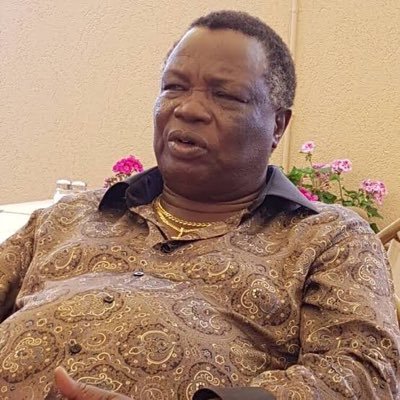
One of the most searched questions about Atwoli relates to his earnings — and understandably so. According to available reports, Francis Atwoli earns approximately KSh 2.4 million per month as Secretary General of COTU-K. This figure, if accurate, places him among the highest-paid trade union officials in Africa. His income is derived primarily from his leadership roles at COTU-K and KPAWU, with additional allowances likely tied to his international positions.
It is worth noting that earnings of this scale in the context of trade union leadership have occasionally attracted public debate in Kenya — a reminder that the gap between labour leaders and the workers they represent can sometimes be vast.
Net Worth
Francis Atwoli’s exact net worth has not been publicly confirmed or disclosed. However, given his decades in senior leadership roles, his international engagements, and his reported monthly salary, it is reasonable to estimate that he has accumulated significant personal wealth over time. His assets — which reportedly include real estate and other investments — are primarily earned through his professional roles rather than business ventures.
Personal Life: Wife and Children
Atwoli’s personal life has attracted public attention, particularly around his marriages. He is widely known to have had multiple relationships over the years, which is not unusual for public figures of his generation in Kenya.
He is married to Mary Kilobi Atwoli, a journalist and media personality significantly younger than him. Their marriage attracted considerable public interest when it became public, with many Kenyans commenting on the age gap. Despite the scrutiny, the couple has maintained a visible public presence together.
Atwoli is also a father — he has children from his relationships, though the exact number of children and their details are kept relatively private, in keeping with his family’s preference for discretion on personal matters.
Influence and Leadership Style
What makes Atwoli stand out among Kenya’s public figures is his willingness to speak plainly. He does not soften his words when addressing government policy, and he has never been afraid to use Labour Day — Kenya’s most prominent platform for worker advocacy — to issue challenges directly to the President and Parliament.
His leadership style is assertive, sometimes confrontational, but strategically calculated. He understands when to push and when to negotiate. Under his watch, COTU-K became not just a union body but a genuine political stakeholder — an organization whose endorsement and criticism both carry weight during election seasons.
He is active on social media, particularly on Facebook and Twitter/X, where he regularly comments on national issues beyond labour — reflecting his status as a public intellectual, not merely a union official.
Religion
Francis Atwoli identifies as a Christian, though he has not been publicly affiliated with any single denomination in a prominent way. His faith, like much of his personal life, is something he keeps relatively separate from his public professional identity.
Conclusion
Francis Atwoli is not the kind of figure you can reduce to a profile table. He is a product of his generation — someone who came up through the ranks of Kenya’s working class and turned that experience into five decades of advocacy. Whether you agree with his politics or not, the data speaks for itself: under his leadership, union membership grew by more than 1,200%, labour rights were constitutionally protected, and Kenya’s workers gained a louder, more organized voice on the international stage.
At 76, he shows little sign of stepping back from the public arena. For better or worse, Francis Atwoli remains one of the most consequential figures in Kenyan civil society — and that alone makes his story worth understanding.
FAQs
1. What is Francis Atwoli’s monthly salary? Francis Atwoli is reported to earn approximately KSh 2.4 million per month as Secretary General of COTU-K, though this figure has not been officially confirmed by the union.
2. What tribe is Francis Atwoli from? He is from the Luhya community, one of Kenya’s largest ethnic groups, based in the western region of the country.
3. Who is Francis Atwoli’s wife? He is married to Mary Kilobi Atwoli, a Kenyan journalist and media personality. Their relationship attracted public attention due to the significant age difference between them.
4. How old is Francis Atwoli? Francis Atwoli was born on June 6, 1949, making him 76 years old as of 2025.
5. What is Francis Atwoli’s most significant achievement? Among his many contributions, mainstreaming labour rights into Kenya’s 2010 Constitution stands out as his most lasting institutional achievement — one that protects workers regardless of who governs the country.
Editorial Notice
The biography above is compiled from publicly available sources and is intended for general informational purposes only. At PeopleCabal, we are committed to accuracy — however, public records evolve, and some details may change over time. If you notice anything that requires a correction or update, we welcome you to reach out to us directly.
