
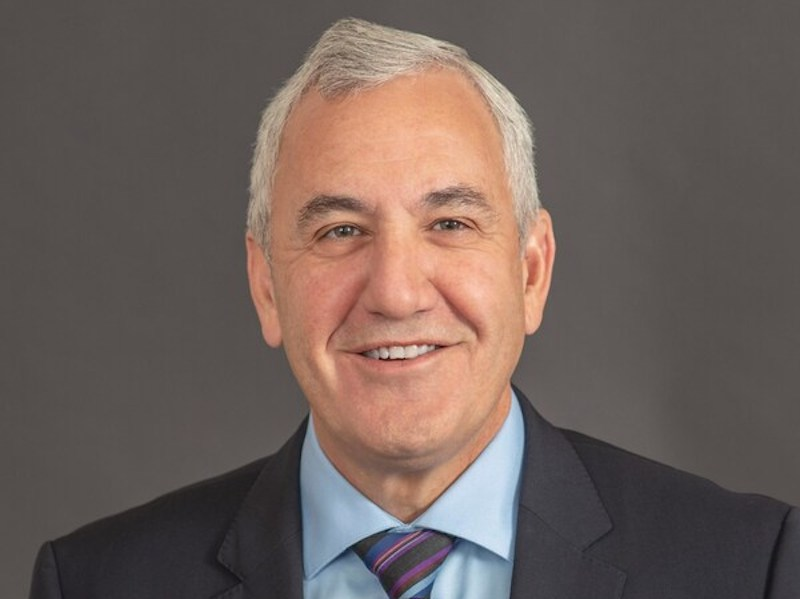

Jim Vena is one of the most experienced and respected railroad operating executives in North America — a career railroader who spent decades working his way through the ranks of Canadian National Railway before retiring and then being called back from retirement to take over as CEO of Union Pacific, one of America’s two largest freight railroad companies, in 2023. His return to active leadership at the helm of Union Pacific — coming at a moment when the company was under significant pressure from shippers, regulators, and investors over its service performance — is one of the more unusual executive recall stories in recent American corporate history and reflects both the depth of his operational reputation and the urgency of the problems he was asked to solve.
Jim Vena Biography
| Full Name | James M. Vena |
|---|---|
| Nationality | American/Canadian |
| Occupation | CEO of Union Pacific Corporation, Former Canadian National Railway Executive |
| Known For | Precision Scheduled Railroading implementation; Union Pacific CEO; CN Railway operations career |
Background and Canadian National Career
Jim Vena built his career at Canadian National Railway — one of North America’s largest and most operationally sophisticated freight railroads — spending decades in operations roles of increasing responsibility. The CN career gave him deep expertise in railroad operations, particularly in the operating philosophy known as Precision Scheduled Railroading (PSR) — a methodology developed by the legendary railroad executive Hunter Harrison that transforms railroad operations by treating the network as a precision manufacturing system rather than an on-demand service business.
PSR involves running trains on fixed schedules regardless of whether they are fully loaded, consolidating yards and facilities, cutting locomotives and crews that traditional railroad management considered buffers against uncertainty, and relentlessly measuring and improving the operating ratios that determine railroad profitability. When implemented well, PSR dramatically improves operating efficiency and profitability. When implemented poorly or too aggressively, it degrades service quality and strains relationships with the shippers who depend on rail service for their supply chains. Vena’s expertise lies in implementing PSR in ways that capture its efficiency benefits while managing the service quality dimensions that aggressive cost-cutting can undermine.
He rose through various senior operations roles at CN, eventually serving as Executive Vice President of Operations — one of the most senior operational positions at a Class 1 railroad, responsible for the day-to-day functioning of a network spanning thousands of miles across North America. His reputation in the railroad industry for operational excellence and for the specific discipline of PSR implementation was, by the time of his retirement from CN, among the highest in the industry.
Retirement and Return: The Union Pacific Story
Vena retired from CN and was, by conventional expectation, done with active railroad leadership. His return to action came when Union Pacific, facing investor pressure over service performance metrics and a regulatory environment increasingly focused on railroad reliability, recruited him to take the helm. He joined Union Pacific’s board and was subsequently named CEO in 2023 — a role that placed him at the head of one of the most important freight transportation companies in the American economy.
Union Pacific operates over 32,000 route miles across 23 US states west of Chicago — a network that is essential to the functioning of American supply chains, particularly for agricultural commodities, intermodal freight, and industrial goods flowing between the West Coast ports and the interior of the continent. Its performance has direct implications for American manufacturing, agriculture, and retail supply chains, which is why its service failures attracted regulatory attention from the Surface Transportation Board and investor attention from activist shareholders.
Vena’s mandate at Union Pacific was clear: apply the operational discipline that had defined his career at CN to a network that, in the judgment of its investors and regulators, had become too focused on financial efficiency at the expense of service reliability. This is precisely the kind of operational problem for which his specific expertise is most relevant — understanding how to run a precision-scheduled railroad without tipping from efficiency into service failure requires exactly the experience he accumulated over decades at CN.
Industry Significance
The American freight railroad industry is one of the most capital-intensive and operationally complex in the economy, and its effective functioning is essential to American commercial and industrial life in ways that most consumers do not directly perceive but that businesses up and down the supply chain understand very well. The period of service disruption that Union Pacific and other Class 1 railroads experienced during and after the COVID pandemic — when supply chain pressures revealed the fragility of systems that had been optimized for efficiency rather than resilience — brought railroad operations to unusual public and regulatory attention.
Vena’s appointment represents the railroad industry’s attempt to draw on its deepest operational expertise to restore the service reliability that its customers require and that its regulators are increasingly demanding. Whether the specific operational techniques he applied at CN translate effectively to Union Pacific’s network and commercial environment — which differs from CN’s in significant ways — is one of the more closely watched questions in the American transportation industry.
Personal Life
Vena keeps his personal life largely private. He is known primarily through his professional reputation and his industry activities rather than through biographical self-disclosure. His long career in the railroad industry — an industry with strong traditions of operational discipline and institutional loyalty — reflects the character of a professional who defines himself primarily through his work.
Net Worth
His net worth is not publicly confirmed. As CEO of one of America’s largest corporations, his compensation package includes significant equity components tied to Union Pacific’s performance — compensation structures that can produce substantial wealth if the company’s turnaround succeeds under his leadership.
Conclusion
Jim Vena’s career is the story of genuine operational expertise accumulated over decades of work in one of the economy’s most demanding and consequential industries, and of that expertise being called upon at a moment of genuine need. His return from retirement to lead Union Pacific is a testament to how rare genuine railroad operational mastery is, and how valuable it becomes when the companies that depend on it find themselves in operational difficulty. Whether his tenure at Union Pacific produces the results that his appointment promised, the American freight railroad network — and the supply chains that depend on it — will be the clearest measure of that answer.
Frequently Asked Questions
What is Jim Vena’s role at Union Pacific?
He is the CEO of Union Pacific Corporation, appointed in 2023 after serving in senior operations roles at Canadian National Railway.
What is Precision Scheduled Railroading?
A railroad operating philosophy developed by Hunter Harrison that runs trains on fixed schedules, treats the network as a precision manufacturing system, and relentlessly optimizes operating ratios — a methodology Vena implemented at CN and is applying at Union Pacific.
Why was Jim Vena brought out of retirement to lead Union Pacific?
Union Pacific was under pressure from investors and regulators over service performance, and Vena’s reputation for operational excellence in PSR implementation made him a top choice to address those problems.
What railroad did Jim Vena work at before Union Pacific?
Canadian National Railway (CN), where he spent decades and rose to Executive Vice President of Operations.
Why is Union Pacific important to the American economy?
It operates over 32,000 route miles across 23 states and is essential to supply chains for agriculture, intermodal freight, and industrial goods throughout the western United States.
Editorial Notice
The biography above is compiled from publicly available sources and is intended for general informational purposes only. At PeopleCabal, we are committed to accuracy — however, public records evolve, and some details may change over time. If you notice anything that requires a correction or update, we welcome you to reach out to us directly.
