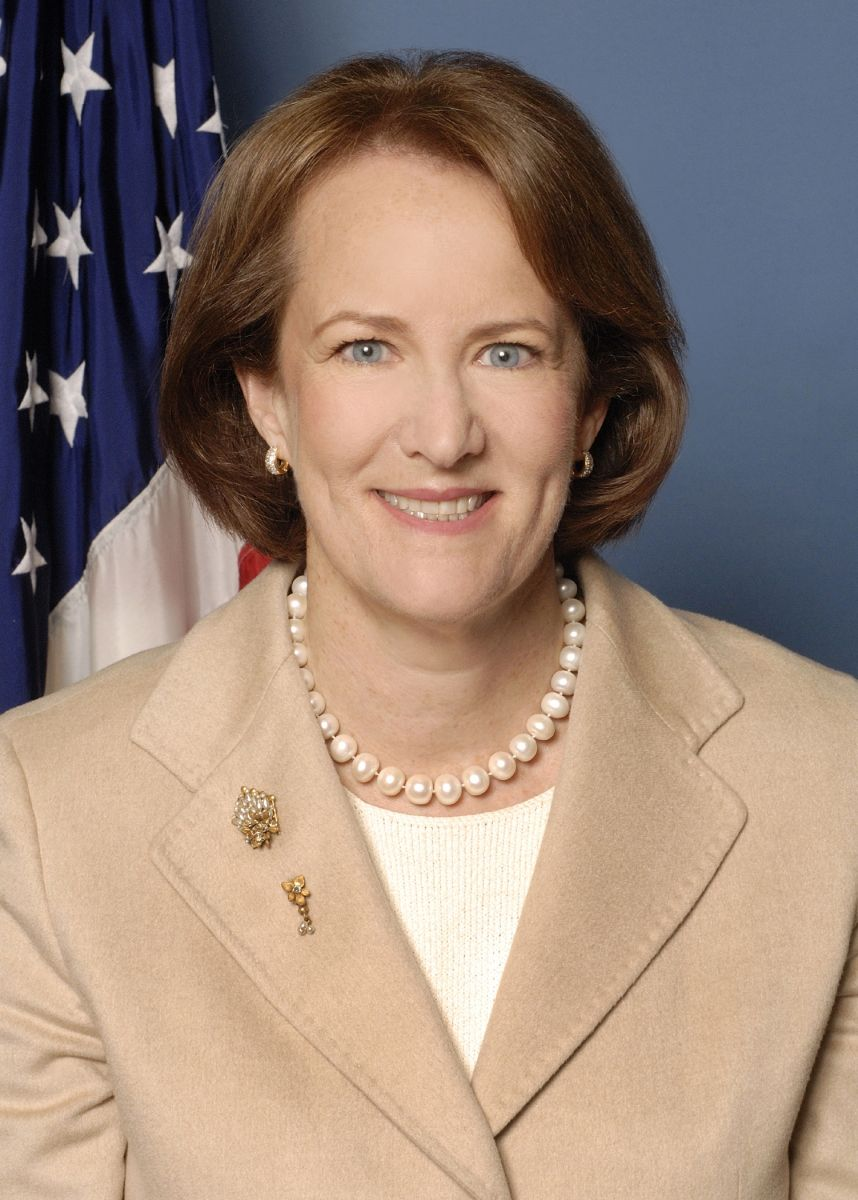
Karen Mills Biography: Age, SBA Administrator, Harvard, Education, and Net Worth

When Karen Gordon Mills took the oath of office as the 23rd Administrator of the U.S. Small Business Administration in April 2009, the American economy was in freefall. Small businesses — which employ roughly half of all American workers — were watching credit lines disappear overnight, customers stop spending, and suppliers go dark. It was, by any measure, the worst possible moment to take charge of the federal agency responsible for keeping those businesses alive. That Mills not only steered the SBA through that crisis but left it significantly stronger than she found it is both a testament to her capabilities and a window into what her career has always been about: translating deep economic expertise into tangible help for people trying to build something in America.
Karen Mills Biography
| Full Name | Karen Gordon Mills |
|---|---|
| Date of Birth | September 14, 1953 |
| Birthplace | Wellesley, Massachusetts, USA |
| Nationality | American |
| Occupation | Businessperson, Author, Former Government Official, Investor |
| Education | AB (Economics), Harvard University; MBA (Baker Scholar), Harvard Business School |
| Known For | 23rd U.S. SBA Administrator (2009–2013); Harvard Business School Senior Fellow; book “Fintech, Small Business and the American Dream” |
| Spouse | Barry Mills (former President of Bowdoin College) |
| Children | Three sons |
Early Life and Background
Karen Gordon Mills was born on September 14, 1953, in Wellesley, Massachusetts — a Boston suburb known for its academic institutions and professional families. Growing up in that environment, with access to the intellectual culture of greater Boston, Mills developed early the analytical rigor and economic curiosity that would drive her career across academia, government, and private enterprise.
Her personal connection to small business was not merely theoretical. Since 1983, she had been an active hands-on investor in and manager of small businesses — owning, managing, mentoring, and investing in companies across sectors. During the difficult early 1990s recession, she helped several small manufacturers improve their competitiveness and survive the downturn. That direct experience of business vulnerability and resilience gave her an understanding of small business that no amount of academic study alone can provide.
Education
Mills earned her undergraduate degree — an AB in Economics — from Harvard University, where her academic performance earned her the distinction of graduating with high honors. She then went directly to Harvard Business School, where she earned her MBA with Baker Scholar honors. The Baker Scholar distinction is reserved for the top five percent of each graduating class at Harvard Business School, and it represents the highest academic recognition the institution bestows on its MBA graduates. This elite academic pedigree was the foundation for a career that consistently operated at the intersection of economic policy and practical business management.
Career Journey
Before her government service, Mills built a varied and substantive private sector career. She served as President of MMP Group, which invested in businesses across consumer products, food, textiles, and industrial components. She also held leadership positions at several private equity firms and served on the boards of Scotts Miracle-Gro and Arrow Electronics — major public companies that gave her governance experience at scale.
Her path to Washington was partly shaped by her civic engagement in Maine. In 2007, Governor John Baldacci of Maine appointed her to chair the state’s Council on Competitiveness and the Economy, where she focused on regional development including Maine’s boatbuilding industry cluster. This role brought her into the orbit of federal economic policymakers and established her reputation as a pragmatic, results-oriented economic thinker.
When President-elect Barack Obama nominated her in December 2008 to lead the Small Business Administration, she was confirmed unanimously by the U.S. Senate — a rare bipartisan affirmation that speaks to the quality of her qualifications. She was sworn in on April 6, 2009, as the 23rd SBA Administrator, and during her tenure the position was elevated to Cabinet-level status, expanding her influence on national economic policy decisions.
Her years at the SBA were defined by the challenge of expanding small business access to capital during and after the worst recession since the Great Depression. She took steps that led to record-breaking years for SBA lending, helped small businesses create regional economic clusters, expanded their access to federal contracting, and led disaster assistance operations nationwide. The SBA under her leadership managed a loan guarantee portfolio exceeding $90 billion and helped leverage nearly $100 billion annually in federal contracts to small businesses.
After leaving the SBA in September 2013, Mills joined Harvard Business School as a Senior Fellow and concurrently became a Fellow at the Harvard Kennedy School’s Institute of Politics. She spent the following decade as one of America’s most prominent voices on small business economics, fintech, and entrepreneurship.
In 2019, she published “Fintech, Small Business and the American Dream: How Technology is Transforming Lending and Shaping a New Era of Small Business Opportunity” — a book that drew on her SBA experience and her subsequent research to argue that financial technology represented both a threat and an opportunity for small business access to capital. The book was widely read among policymakers, bankers, and entrepreneurs.
She has since returned to active investment management through MMP Group and Centri Capital connections, while serving on a range of boards and advisory committees including the Morgan Stanley Institute for Sustainability, the National Bureau of Economic Research, the Milken Institute’s Fintech Advisory Committee, and the Harvard Corporation — the university’s highest governing board.
Personal Life
Karen Mills is married to Barry Mills, the former President of Bowdoin College in Brunswick, Maine. The couple has three sons. Their home base has been Brunswick, Maine, reflecting both Barry’s long tenure at Bowdoin and Karen’s civic roots in the state where she first built her public service profile. She is also a member of the Council on Foreign Relations.
Net Worth
Karen Mills’s exact net worth is not publicly confirmed. Her income sources have included private equity investment returns, board compensation from major public companies, advisory fees, speaking engagements, book royalties, and her academic affiliations. Given her career trajectory and the scale of the investment activities she has managed, she has built substantial financial standing over four decades. Precise figures are not publicly available.
Conclusion
Karen Mills’s career represents the best of what public service looks like when it is grounded in genuine expertise rather than political ambition alone. She came to the SBA with decades of hands-on small business experience, brought an economist’s analytical rigor and a businessperson’s practical instinct to the role, and left the agency stronger for having led it through one of the most difficult periods in American economic history. Her subsequent work at Harvard and her ongoing contributions to the policy debates around fintech and small business access to capital have ensured that her influence extends well beyond her government service years.
Frequently Asked Questions
Who is Karen Mills?
Karen Gordon Mills is an American businessperson, author, and former government official who served as the 23rd Administrator of the U.S. Small Business Administration from 2009 to 2013. She is a Harvard-educated economist and Baker Scholar who has also served as a Senior Fellow at Harvard Business School.
What did Karen Mills accomplish at the SBA?
During her tenure, she helped the SBA achieve record-breaking lending years despite the Great Recession, expanded small business access to federal contracting, elevated the SBA Administrator role to Cabinet level, and led the agency through multiple major disaster assistance operations.
What book did Karen Mills write?
She authored “Fintech, Small Business and the American Dream: How Technology is Transforming Lending and Shaping a New Era of Small Business Opportunity,” published by Palgrave Macmillan in 2019.
Where did Karen Mills go to school?
She earned an AB in Economics from Harvard University and an MBA (Baker Scholar) from Harvard Business School — the top academic honor at HBS.
Is Karen Mills still active in public life?
Yes. As of 2026, she continues to serve on major boards and advisory committees, including the Harvard Corporation, the National Bureau of Economic Research, and the Milken Institute’s Fintech Advisory Committee, while managing investment activities through MMP Group.
Editorial Notice
The biography above is compiled from publicly available sources and is intended for general informational purposes only. At PeopleCabal, we are committed to accuracy — however, public records evolve, and some details may change over time. If you notice anything that requires a correction or update, we welcome you to reach out to us directly.
