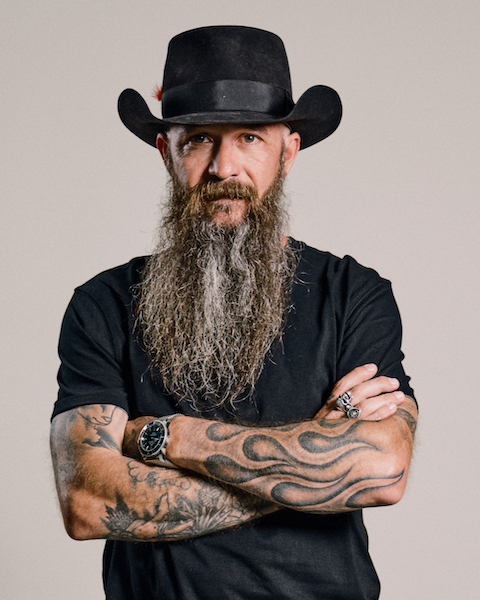

Cody Jinks is one of the most commercially successful and critically respected artists in the outlaw country and Americana music movements — a Texas-born singer, songwriter, and guitarist who built a following of hundreds of thousands of devoted fans entirely outside the conventional Nashville country music system, before that system began taking notice of the numbers he was generating. His story is one of the more compelling in modern American music: a decade of touring, writing, and recording with genuine artistic vision, gradually accumulating an audience that eventually became impossible to ignore, achieved through independence rather than institutional support.
Cody Jinks Biography
| Full Name | Cody Jinks |
|---|---|
| Date of Birth | January 18, 1980 |
| Age | 44 (as of 2024) |
| Nationality | American |
| Occupation | Singer, Songwriter, Guitarist, Record Label Owner |
| Known For | Outlaw country music; “I’m Not the Devil”; Rounder Records deal; Lunacy Records; independent commercial success |
Early Life and Musical Formation
Cody Jinks was born on January 18, 1980, in Haltom City, Texas — a suburb of Fort Worth in the DFW metroplex, an area with deep roots in Texas music traditions ranging from Western swing to honky-tonk to the kind of blue-collar country rock that eventually pointed toward the outlaw tradition he would inhabit. Growing up in North Texas in the 1980s and 1990s, he was exposed to both the mainstream country that dominated radio and the older, rootsier traditions that radio had mostly abandoned — the music of Waylon Jennings, Merle Haggard, Willie Nelson, and others who had built their reputations on authenticity over commercial polish.
He was drawn to music from an early age, developing guitar skills and a vocal style that, in retrospect, was clearly oriented toward the harder, more rootsy end of country music rather than the increasingly pop-influenced sounds that Nashville was producing. He played in metal bands as a younger musician — an experience that gave him a rawness and an intensity that would later distinguish his country music from the softer sounds of most Nashville contemporaries.
The metal background is not incidental to his artistic identity. The willingness to be genuinely loud, genuinely heavy, and genuinely uncompromising — qualities that metal demands and that most country music avoids — runs through his live performances and his most powerful recordings. He is a country artist who plays with the physicality and conviction of a rock musician, which creates an experience for his audience that most country concerts do not.
Building an Independent Career
Jinks spent years grinding through the Texas and regional touring circuit, building his audience show by show and album by album without major label support or mainstream radio airplay. Texas has a robust independent music ecosystem — particularly for country and Americana — and artists who build real followings there have a foundation for national expansion that does not depend on Nashville gatekeepers. Jinks utilized this ecosystem skillfully, establishing himself as a genuine live draw in Texas before extending his reach to national audiences.
His albums — released independently through his own Lunacy Records label — accumulated devoted listeners through word of mouth, streaming platforms, and the passionate advocacy of fans who felt that his music represented something authentic that contemporary Nashville had lost. Albums including “Adobe Sessions” (2015), “Lifers” (2016), and “Wanting” (2018) built his catalog and his reputation, each finding larger audiences than the previous release as his touring reach extended.
The business model he developed — own the masters, control the label, build the touring base before seeking mainstream distribution — has been studied by other independent country artists as a template for sustainable commercial success without sacrificing artistic control. He understood early that the leverage in modern music comes from owning your catalog and your relationship with your audience, not from signing away rights in exchange for radio promotion that may or may not materialize.
Mainstream Recognition
Jinks’s commercial success eventually became too large for the mainstream country industry to ignore. He signed with Rounder Records — a respected Americana and roots music label — for distribution while maintaining his own label’s control over his masters, a deal structure that reflected the negotiating leverage his independent success had built. His albums began charting on Billboard’s country charts, and he was profiled in major country music publications that had previously overlooked him.
“I’m Not the Devil” (2016) is often cited as the album that crystallized his artistic vision most completely and introduced him to the largest new audience — a collection of songs that combined personal vulnerability with musical rawness and lyrical specificity in ways that the more polished Nashville product rarely achieves. The album’s success with both critics and listeners confirmed that his audience was real, substantial, and growing.
He has sold out major venues across the United States — including multiple nights at historic Texas venues and major amphitheaters — entirely on the strength of his music and his live reputation, without radio promotion of the kind that drives most country touring success. This is a genuinely unusual commercial achievement in the contemporary music business.
Artistic Vision and Lyrical Themes
Jinks’s music draws on the outlaw country tradition — the emphasis on personal freedom, authenticity over polish, and willingness to address difficult subjects — while incorporating his own experience of struggle, faith, and the specific emotional landscape of working-class Texas life. His lyrics address addiction, spirituality, relationships, and the search for meaning with a directness and specificity that his audience responds to as genuine recognition. He is not writing about experiences he has observed from a distance; he is writing from inside them.
The spiritual dimension of his work — which engages with faith, redemption, and the search for meaning in a way that is sincere rather than formulaic — distinguishes him from much of the outlaw tradition, which has tended toward more secular or explicitly transgressive themes. This creates a body of work that is honest about darkness without being nihilistic, and that treats questions of meaning and purpose with genuine seriousness.
Personal Life
Jinks is married and has children. He has spoken about the role his family plays in grounding him during the demands of a heavy touring schedule, and about the personal journey — including struggles with addiction that several of his songs address — that shaped both his character and his artistic perspective. He is based in Texas, which remains the center of his artistic and personal identity despite his national reach.
Net Worth
Jinks’s net worth is not publicly confirmed. His income comes from touring, album sales, streaming, merchandise, and his record label’s activities. Given the scale of his touring operation and his ownership of his masters, estimates in the single-digit millions are plausible, though he has not publicly disclosed financial details.
Conclusion
Cody Jinks built one of the most authentic and commercially successful independent careers in modern country music by refusing to compromise the musical vision that made him worth following. His audience did not discover him through radio promotion or Nashville marketing; they discovered him through live shows that delivered on every promise the music made, and through word of mouth that spread the news to people hungry for the kind of country music that the mainstream had stopped making. That kind of following — earned, not manufactured — is the most durable foundation a career in music can have.
Frequently Asked Questions
What is Cody Jinks’s most famous album?
“I’m Not the Devil” (2016) is widely considered his artistic breakthrough, combining personal vulnerability with musical rawness that resonated with a rapidly growing audience.
Did Cody Jinks sign with a major label?
He signed with Rounder Records for distribution while maintaining ownership of his masters through his own Lunacy Records label — a structure that preserved his artistic and commercial independence.
What musical background did Cody Jinks have before country?
He played in metal bands as a younger musician, and that rawness and intensity carries into his country music and live performances.
Where is Cody Jinks from?
Haltom City, Texas, near Fort Worth in the Dallas-Fort Worth metroplex.
What themes does Cody Jinks address in his music?
Addiction and recovery, spirituality and faith, personal relationships, working-class experience, and the search for authentic meaning — themes addressed with directness and personal specificity.
Editorial Notice
The biography above is compiled from publicly available sources and is intended for general informational purposes only. At PeopleCabal, we are committed to accuracy — however, public records evolve, and some details may change over time. If you notice anything that requires a correction or update, we welcome you to reach out to us directly.
